
Why Winter in the UK Demands Extra Wellness Support
Dark afternoons at 3 p.m., chilly winds, more time spent indoors, and those well-known seasonal infections are just a few of the difficulties that come with winter in the UK. It's more crucial than ever to boost your immunity through wise lifestyle and dietary decisions because less sunlight affects vitamin D levels and lower temperatures weaken the body's defences.

Here's how to stay resilient, healthy, and invigorated this winter:
-
Prioritise Vitamin D : The Sunshine Vitamin
From October to March, the UK doesn’t get enough UVB sunlight for the skin to produce vitamin D. Low levels are linked to weaker immunity, muscle weakness, and higher risk of respiratory infections.
What to do:
-
Take a daily Vitamin D supplement (recommended: 10–25 mcg/day depending on blood levels)
-
Include fortified foods like cereals, milk alternatives, and mushrooms exposed to sunlight

-
Eat Immune Boosting Winter Foods
Seasonal whole foods provide vitamins, minerals, and antioxidants needed for a strong immune system.
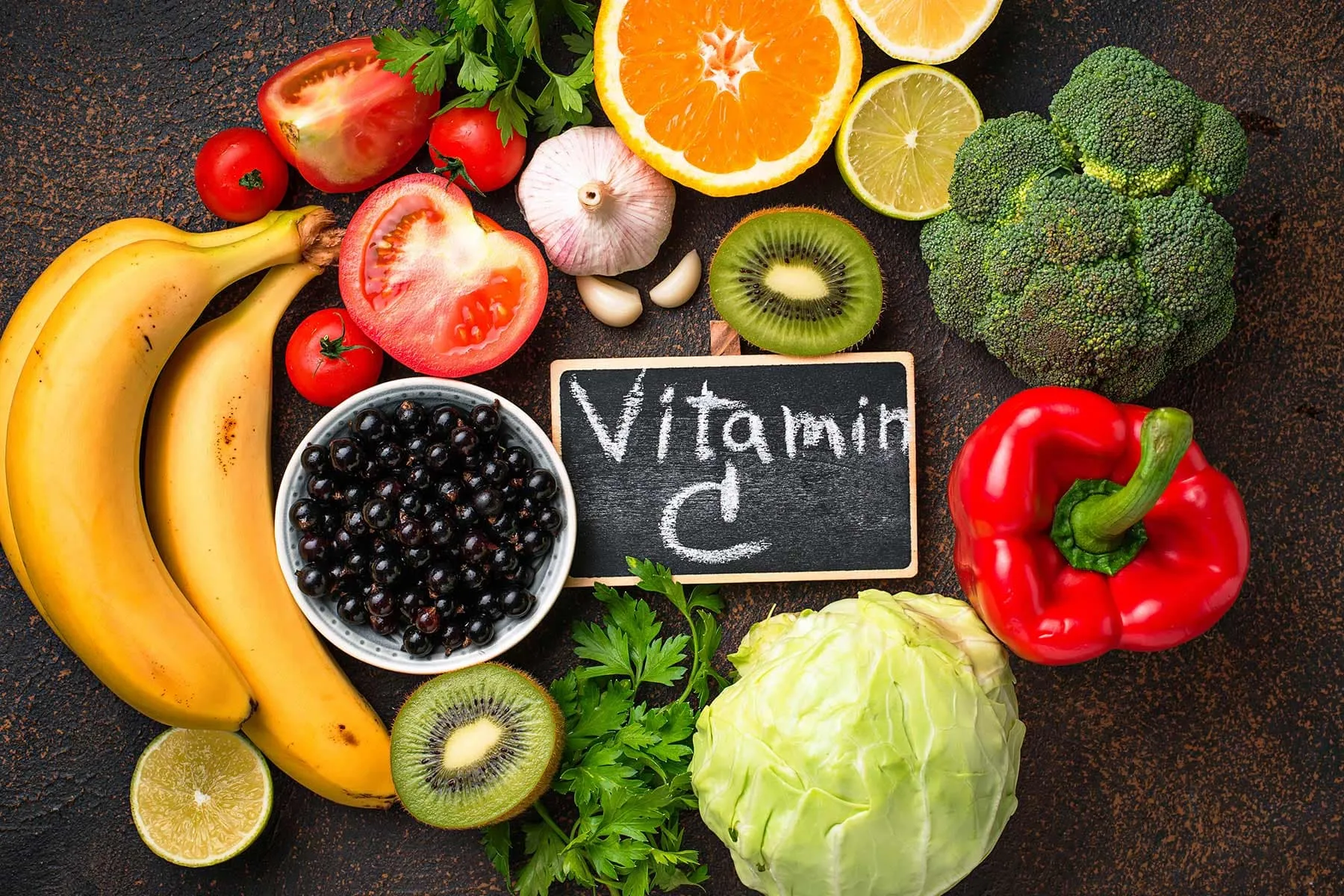
Best UK winter-produce heroes:
Carrots: beta-carotene for immunity
Sweet potatoes: vitamin A for mucosal health
Garlic: natural antiviral & antibacterial
Citrus fruits: vitamin C to reduce duration of colds
Leafy greens: folate for immune cell production
Ginger & turmeric: reduces inflammation and congestion
-
Stay Hydrated (Even When It’s Cold!)
Cold weather reduces thirst signals meaning dehydration becomes common in winter months!
-
Warm herbal teas and infused water can help
-
Hydration supports mucus membranes, helping trap viruses before they spread
-
Support Your Gut, Your First Line of Defence
Nearly 70% of your immune system lives in the gut. A balanced microbiome helps fight off harmful pathogens.
Include more:
✔ Probiotics: yoghurt, kefir, kimchi, kombucha
✔ Prebiotics: bananas, oats, onions, garlic, flaxseed
If your gut is inflamed or imbalanced, immune function can drop fast especially during stressful winter months.
-
Sleep Early and Manage Seasonal Fatigue
Darkness earlier means melatonin kicks in sooner yet most of us ignore this natural rhythm.
Aim for 7–9 hours/night
Stick to a consistent bedtime
Blue-light cut-off at least 1 hour before bed
Good sleep = stronger immune cell response.
-
Keep Moving, Indoors Counts Too
Cold weather and short days make outdoor exercise harder but staying active helps:
-
Boost immunity
-
Improve mental health
-
Increase circulation and nutrient delivery
Try indoor alternatives: home workouts, yoga, HIIT apps, or winter gym membership.
-
Hygiene Still Matters
Simple and effective:
-
Wash hands regularly
-
Disinfect frequently touched surfaces
-
Avoid close contact when unwell
Viruses spread more indoors during winter, prevention is key.
-
Manage Stress & Seasonal Blues
Chronic stress suppresses immune cells.
Dark days trigger SAD (Seasonal Affective Disorder) in many.
Support your mental wellbeing:
-
Daily daylight exposure, even 20 minutes helps
-
Breathing/meditation practices
-
Stay social and connected
When Supplements Can Help
Alongside a healthy lifestyle, targeted supplements can support winter immunity:
|
Supplement |
Benefit |
|
Compensates for reduced sunlight |
|
|
Reduces duration & severity of colds |
|
|
Supports gut-driven immunity |
|
|
Reduces inflammation |
Research:
Vitamin D and respiratory infection prevention → https://www.bmj.com/content/356/bmj.i6583
Probiotics improve immune response → https://pubmed.ncbi.nlm.nih.gov/32996638/
Quick Winter Wellness Meal Ideas
-
Veg-packed lentil soup with turmeric
-
Greek yoghurt with banana + ground flaxseed
-
Citrus fruit salad with pumpkin seeds
-
Ginger lemon honey tea (natural throat soother)
Winter wellness in the UK isn’t just about avoiding the flu, it's about supporting your body holistically through the challenges of darker days, colder weather, and reduced immunity. By nourishing your gut, boosting essential vitamins like Vitamin D, staying active, and embracing seasonal foods, you can keep yourself energised, resilient, and feeling your best all season long.
FAQs
Q: Why do people get sick more often in winter?
During winter, we spend more time indoors where viruses spread easily. The cold air also reduces the body’s natural nasal defences, and reduced sunlight impacts vitamin D levels, a key nutrient for immunity.
Q: Should I take Vitamin D supplements in the UK winter?
Yes. From October to March, the UK doesn’t have enough UVB light for vitamin D production. Health authorities recommend daily supplementation to support immunity, bone health, and energy levels.
Q: Can food really help prevent colds and flu?
Absolutely. Foods rich in vitamin C, zinc, antioxidants, and prebiotics strengthen the immune system and gut where most immunity lives, helping the body fight infections more effectively.
Q: How can I stay motivated to exercise in cold and dark weather?
Try indoor-friendly workouts like yoga, strength training, or fitness apps. Set small routines that fit around shorter daylight hours, and find accountability through classes or workout partners.
 |
Author: Gyanisha Gothi, ANutr AfN Registered Associate Nutritionist Gyanisha Gothi is a Registered Associate Nutritionist (ANutr) with a strong scientific background and a passion for turning complex nutrition research into practical, personalised guidance. With an MSc in Clinical and Public Health Nutrition from UCL (Merit), a BSc in Biochemistry, and additional certifications in Food Allergy & Intolerance Training and Good Clinical Practice (NIHR), she brings a well-rounded blend of academic and clinical expertise. Dedicated to evidence-based practice, Gyanisha supports individuals in improving gut health, strengthening metabolic wellbeing, and making sustainable lifestyle changes delivering a warm, client centred approach at Back to Balance. |


0 comments