
A Refreshing Way to Support Your Gut

Simple recipes are often the most powerful, and this watermelon mint salad is a perfect example. Made with just a handful of fresh ingredients, this hydrating dish supports digestive health, hydration, and overall wellbeing, making it ideal for warm weather, family meals, or a nourishing snack.
Hydration plays a major role in gut health. In the UK, mild dehydration is more common than many realise, particularly during warmer months or periods of increased physical activity. The NHS highlights that adequate fluid intake supports digestion, bowel regularity, nutrient transport and energy levels.
Watermelon, which is over 90% water, offers a delicious way to boost hydration while delivering vitamins, antioxidants and natural sweetness.
Serves: 8–10 portions
Prep Time: 15 minutes
Ingredients
-
½ fresh watermelon, cut into cubes
-
¼ tsp kosher salt
-
2 tsp fresh lime juice (approx. ½ a lime)
-
1 tbsp honey
-
1 tbsp extra virgin olive oil
-
¼ cup fresh mint, finely chopped
Method
-
Add the watermelon cubes to a large mixing bowl.
-
Add the kosher salt, lime juice, honey and extra virgin olive oil.
-
Sprinkle over the freshly chopped mint.
-
Gently stir until everything is evenly coated.
-
Serve immediately for maximum freshness and hydration.
The Benefits of This Salad for Gut Health
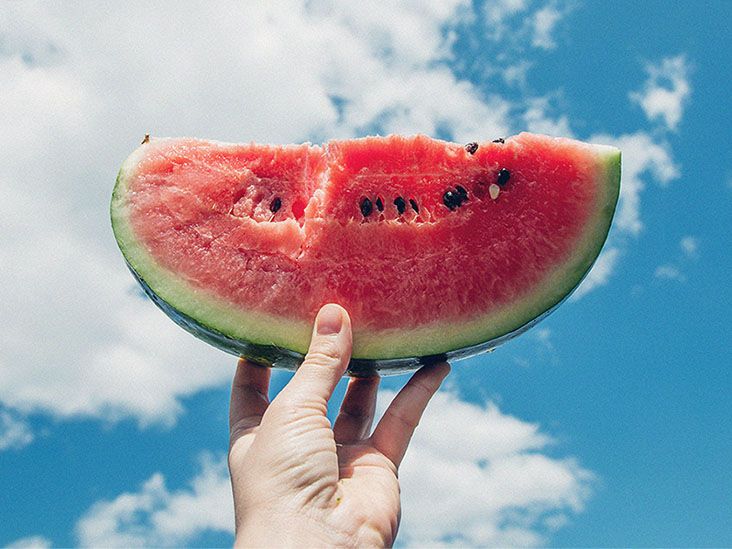
1. Watermelon = Hydration + Gentle Digestion
Watermelon is made up of approximately 91–92% water, helping maintain hydration essential for smooth digestion and healthy bowel movements. Its water content also supports the gut lining and helps reduce constipation risk.
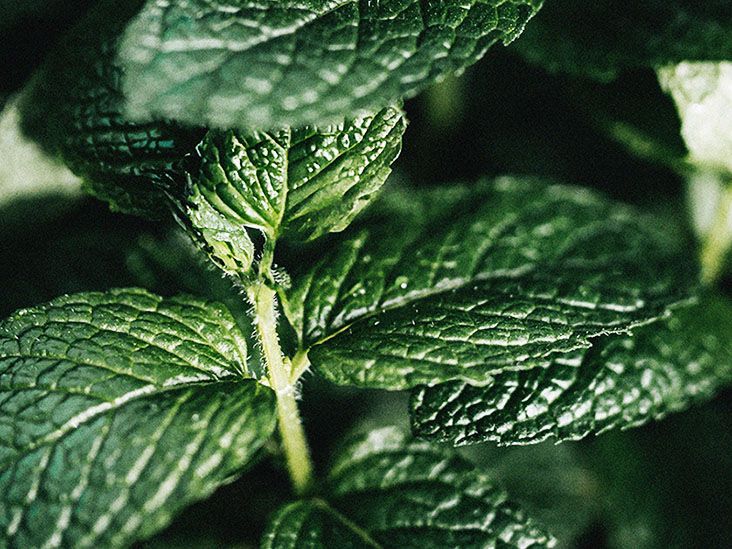
2. Mint Supports Digestive Comfort
Fresh mint has traditionally been used to support digestion and soothe occasional bloating or discomfort. Peppermint, in particular, has been studied for its role in easing IBS-related symptoms.
NHS IBS guidance includes peppermint as a commonly recommended digestive aid.
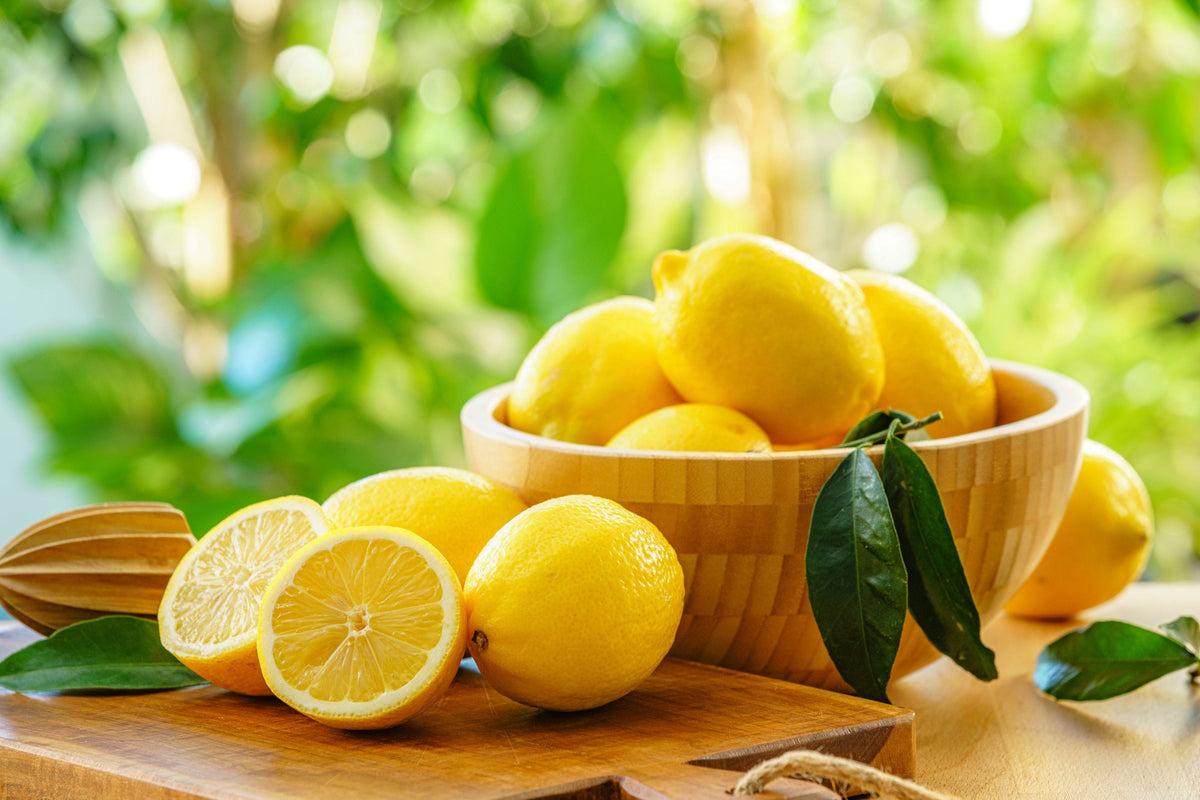
3. Lime Adds Vitamin C
Lime provides vitamin C, which supports immunity and collagen production, important for maintaining the gut lining and supporting healing.
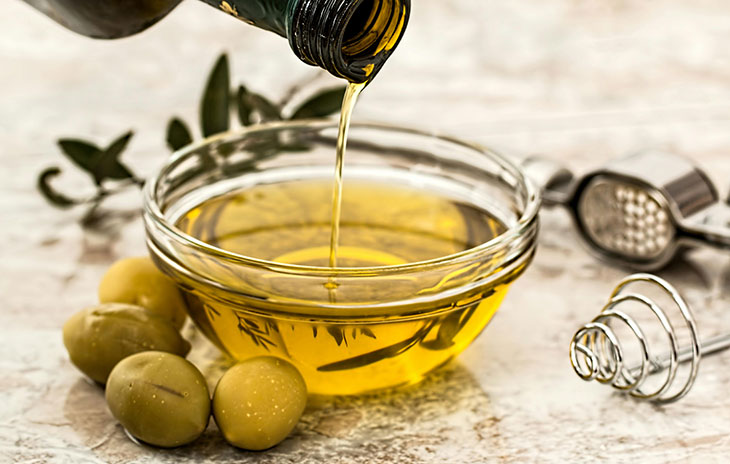
4. Olive Oil Supports the Gut Barrier
Extra virgin olive oil contains beneficial polyphenols and healthy fats that may support microbial diversity and reduce inflammation in the gut.
Research suggests Mediterranean-style diets rich in olive oil are associated with better gut microbiome health.
According to the NHS, adults should aim for 6-8 glasses of fluid daily, but many people fall short, especially children and older adults.
Poor hydration can contribute to:
-
constipation
-
headaches
-
fatigue
-
reduced concentration
-
digestive discomfort
This makes hydrating foods like watermelon a simple and effective addition to your daily diet.
Tips & Variations
-
Add crumbled feta for a Mediterranean twist (if tolerated)
-
Sprinkle chia or pumpkin seeds for extra fibre
-
Add cucumber for even more hydration
-
Chill for 10 minutes before serving for extra freshness
Sometimes the best gut-supportive meals are the simplest. This watermelon mint salad combines hydration, antioxidants and digestive support in one easy bowl, making it ideal for summer, recovery days, or anyone wanting a lighter, nourishing side dish.
Small habits like increasing water-rich foods can make a big difference to long-term gut health.
FAQs:
Q. Is watermelon good for digestion?
A. Yes, its high water content helps support bowel regularity and hydration, both essential for digestion.
Q. Can I prepare this in advance?
A. It’s best served fresh, but you can prepare it 1-2 hours ahead and refrigerate.
Q. Is this suitable for children?
A. Yes, just omit honey for babies under 12 months.
Q. Is watermelon high in sugar?
A. It contains natural fruit sugars but is relatively low in calories and highly hydrating.
Q. Can this help with constipation?
A. Hydrating foods like watermelon can support softer stools and easier bowel movements when combined with enough fibre and fluids.
References:
https://www.nhs.uk/live-well/eat-well/food-guidelines-and-food-labels/water-drinks-nutrition/
https://www.healthline.com/nutrition/foods/watermelon
https://www.nhs.uk/conditions/irritable-bowel-syndrome-ibs/
https://fdc.nal.usda.gov/food-details/167765/nutrients
https://www.nhs.uk/conditions/vitamins-and-minerals/vitamin-c/
 |
Author: Gyanisha Gothi, ANutr AfN Registered Associate Nutritionist Gyanisha Gothi is a Registered Associate Nutritionist (ANutr) with a strong scientific background and a passion for turning complex nutrition research into practical, personalised guidance. With an MSc in Clinical and Public Health Nutrition from UCL (Merit), a BSc in Biochemistry, and additional certifications in Food Allergy & Intolerance Training and Good Clinical Practice (NIHR), she brings a well-rounded blend of academic and clinical expertise. Dedicated to evidence-based practice, Gyanisha supports individuals in improving gut health, strengthening metabolic wellbeing, and making sustainable lifestyle changes delivering a warm, client centred approach at Back to Balance. |


0 comments